
If you’ve ever walked into a listing and gotten hit with a not-quite-right smell—pets, old cooking, damp basement air, or just “this place has been closed up for months”—you know how fast a buyer mentally checks out. When you’re renovating to sell, first impressions are non-negotiable, and fixing stubborn odors is rarely “just paint.” At Anchorpoint Management, we focus on maximizing home ROI through strategic pre-sale home remodeling, so you’re not leaving money on the table in this competitive Maine market. And as your go-to home renovation contractor, we handle the full transformation—design, scheduling, trades, and finish quality—so you’re not chasing vendors or timelines.
Now add the “little stuff” buyers notice in the first 30 seconds: a wobbly handrail, mismatched switch plates, one dead light over the sink, a bathroom fan that sounds like a lawnmower, or a sticky cabinet door that won’t close. None of those items are a deal-breaker on paper. In real life, they make a place feel neglected—and in the Maine real estate market, that feeling becomes a pricing problem fast.
First impressions aren’t just about curb appeal; they are about how a space feels, smells, and functions the moment someone steps through the door. In Maine, where winter showings are common and homes are closed up for months at a time, odor, lighting, and overall “tightness” matter even more.
That is where pre-sale remodeling comes in. It’s the strategic bridge between “as-is” and “top dollar.” At Anchorpoint Management, we specialize in taking properties that have “the bones” but lack the polish, and transforming them into high-value listings—without wasting your budget on upgrades that don’t move the needle.
In this guide, we’ll dig deeper into the details that make a remodel successful (the stuff most people skip), and we’ll keep it grounded in one real-world thread: a complete condo rehabilitation in Auburn, Maine that went from “problem property” to market-ready in about two months.
What Exactly is a Pre-Sale Remodel?
You might hear the term and think of “flipping,” but there’s a distinct difference. A flip is usually about buying low, doing the bare minimum, and selling high. A pre-sale remodel is a strategic investment made by a homeowner or estate to unlock the existing equity that is currently trapped behind outdated wallpaper, old carpets, or: in some cases: decades of nicotine damage.
At Anchorpoint Management, we utilize a design-build maine approach. This means we handle everything from the initial vision and budget planning to the actual construction and finishing touches.
“A pre-sale remodel isn’t about personal taste; it’s about market demand. We focus on the upgrades that guarantee a return, not just the ones that look pretty.”
By operating as a single point of contact and home renovation contractor, we eliminate the friction between designers, architects, and building contractors southern maine usually deal with. You get a streamlined process that focuses on one thing: getting the property market-ready as fast as possible.
When Should You Consider Renovating With a Home Renovation Contractor Before Selling?
Not every house needs a total overhaul, but there are specific scenarios where a pre-sale remodel is almost mandatory to see a profit (and when you should engage a professional home renovation contractor):
- Estate Sales: Often, these homes have been lived in for decades without updates. They are structurally sound but aesthetically “frozen in time.”
- Problem Properties: This includes homes with significant odors, outdated electrical, or “scary” basements.
- Dated Condos: In a competitive market like Portland or Lewiston, a condo with 1990s laminate countertops will sit while the renovated unit next door sells in a weekend.
- Deferred Maintenance: If the water heater is leaking and the basement has cracks, a savvy buyer will use those as leverage to knock $20k off your asking price. We fix them for a fraction of that cost.
Case Study: The Auburn Condo Rehab (Our “Little Things Matter” Example)
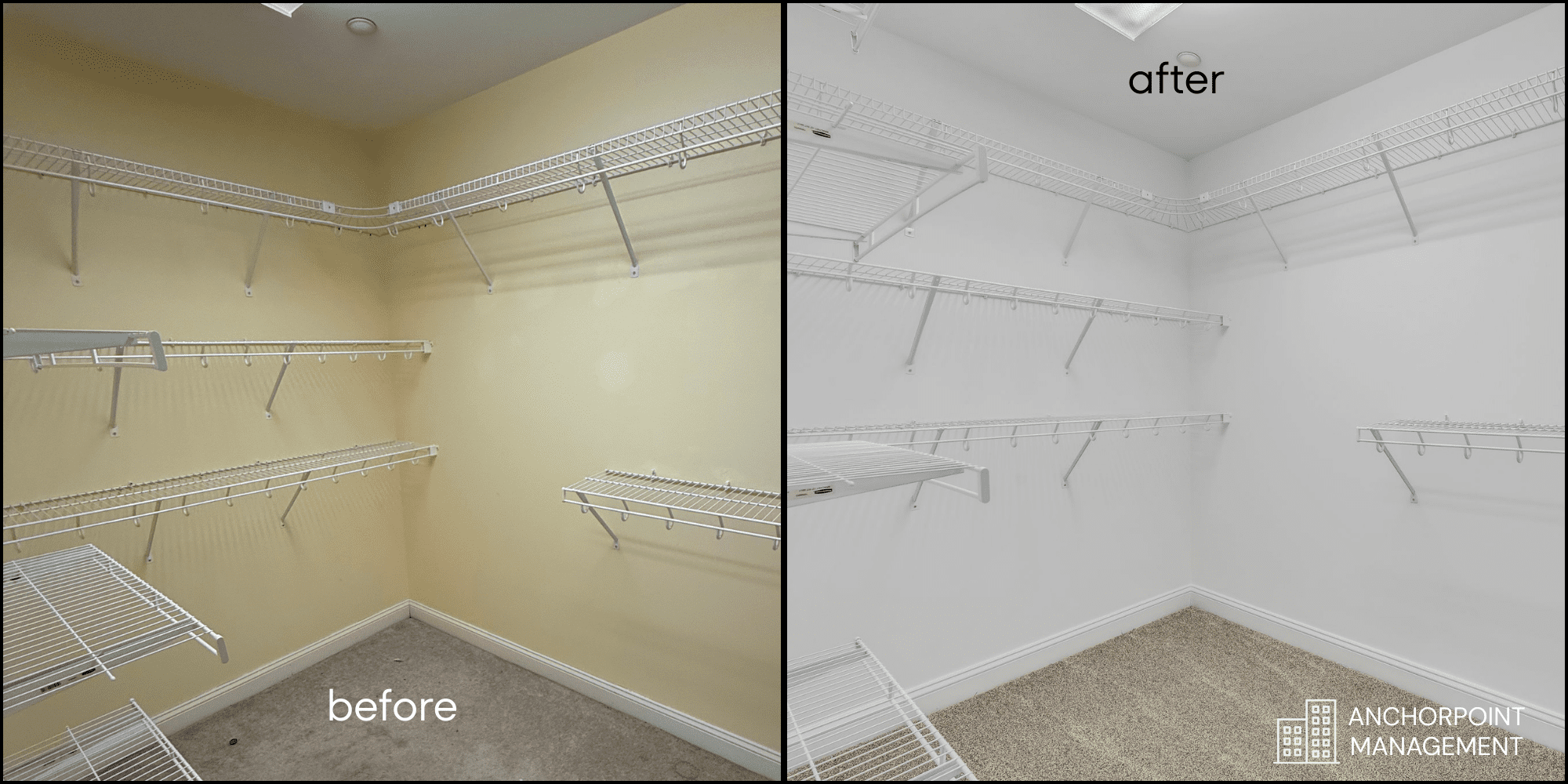
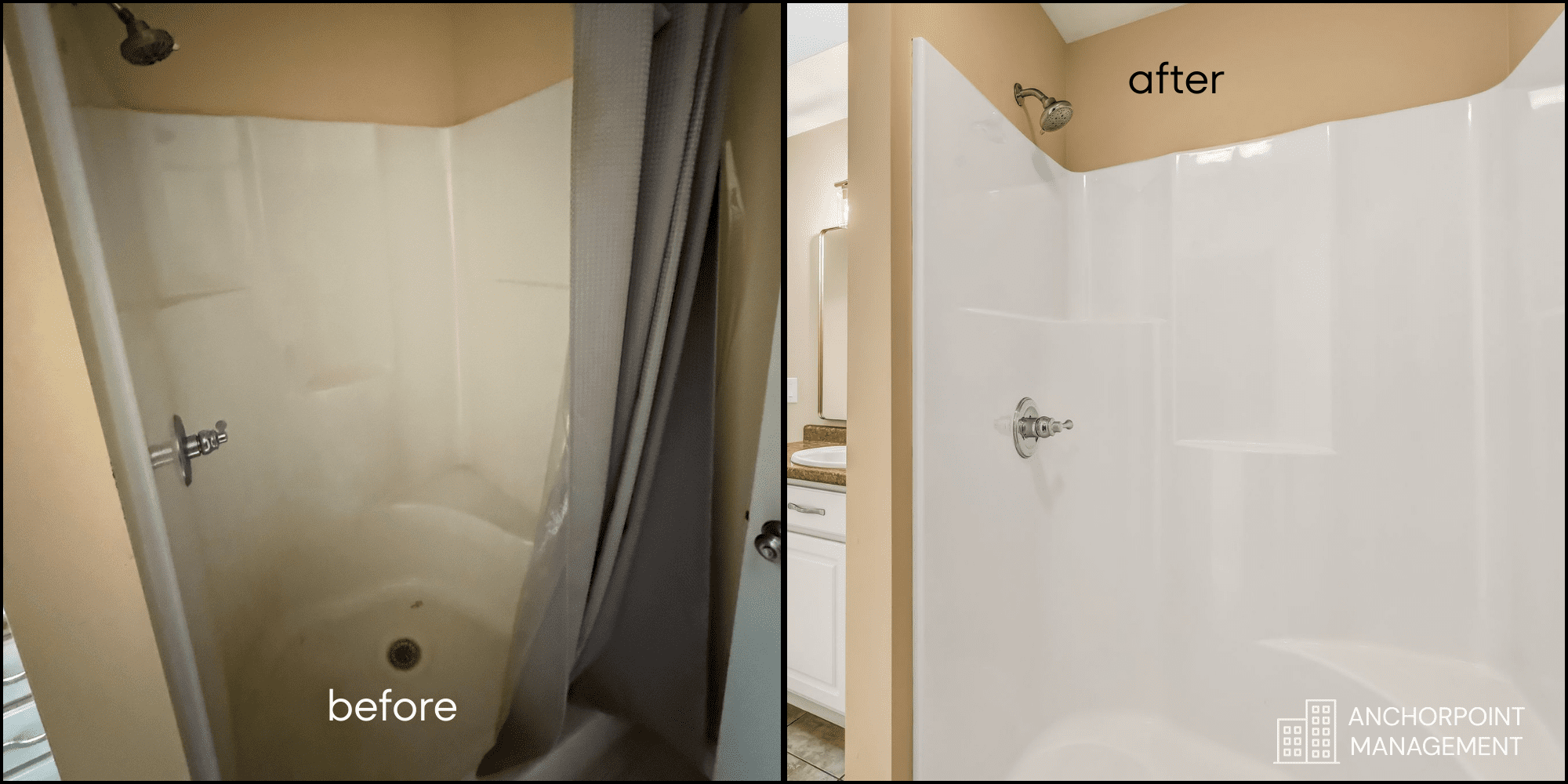
Nothing illustrates the power of a strategic remodel done by a qualified home renovation contractor better than our recent project in Auburn, Maine. This condo had a major hurdle: it had been occupied by heavy smokers for years.
What made this rehab a win wasn’t one flashy upgrade. It was the stack of small, unglamorous decisions done in the right order—so the final result felt clean, current, and “safe” to a buyer the second they walked in.
“The goal isn’t to make it ‘nice enough.’ The goal is to make it feel obvious to a buyer that the home has been cared for.”
The Challenge: Comprehensive Odor Mitigation & Deep Cleaning (The Professional Reset)
You can’t just paint over stubborn odors and years of film on surfaces. If you do, the smell can bleed back through and discoloration can telegraph into your fresh finish within months—especially during Maine’s heating season when warm air pulls odors back out of porous surfaces.
Here’s what a professional renovation actually involves:
1) Start with removal and cleaning—not paint.
We began with a 3-day intensive deep clean. This wasn’t just a “wipe down.” We tackled every square inch of the property so we weren’t sealing in grime.
- Ceilings and walls: Nicotine clings upward. If you skip ceilings, the room can look “fresh” but still smell stale when the heat kicks on.
- Ceiling fans: The blades hold sticky residue that re-releases odor every time the fan moves air. We clean blades and housings—because buyers notice that yellow haze immediately.
- Inside cabinet boxes (not just doors): This is a big miss on DIY pre-sale work. Stubborn odors and buildup settle inside base cabinets, pantry boxes, and vanity interiors. If you only refinish or paint the faces, you’ll still get that “open the door and… yikes” moment at showings. We clean the interiors so the kitchen and baths pass the sniff test, not just the photo test.
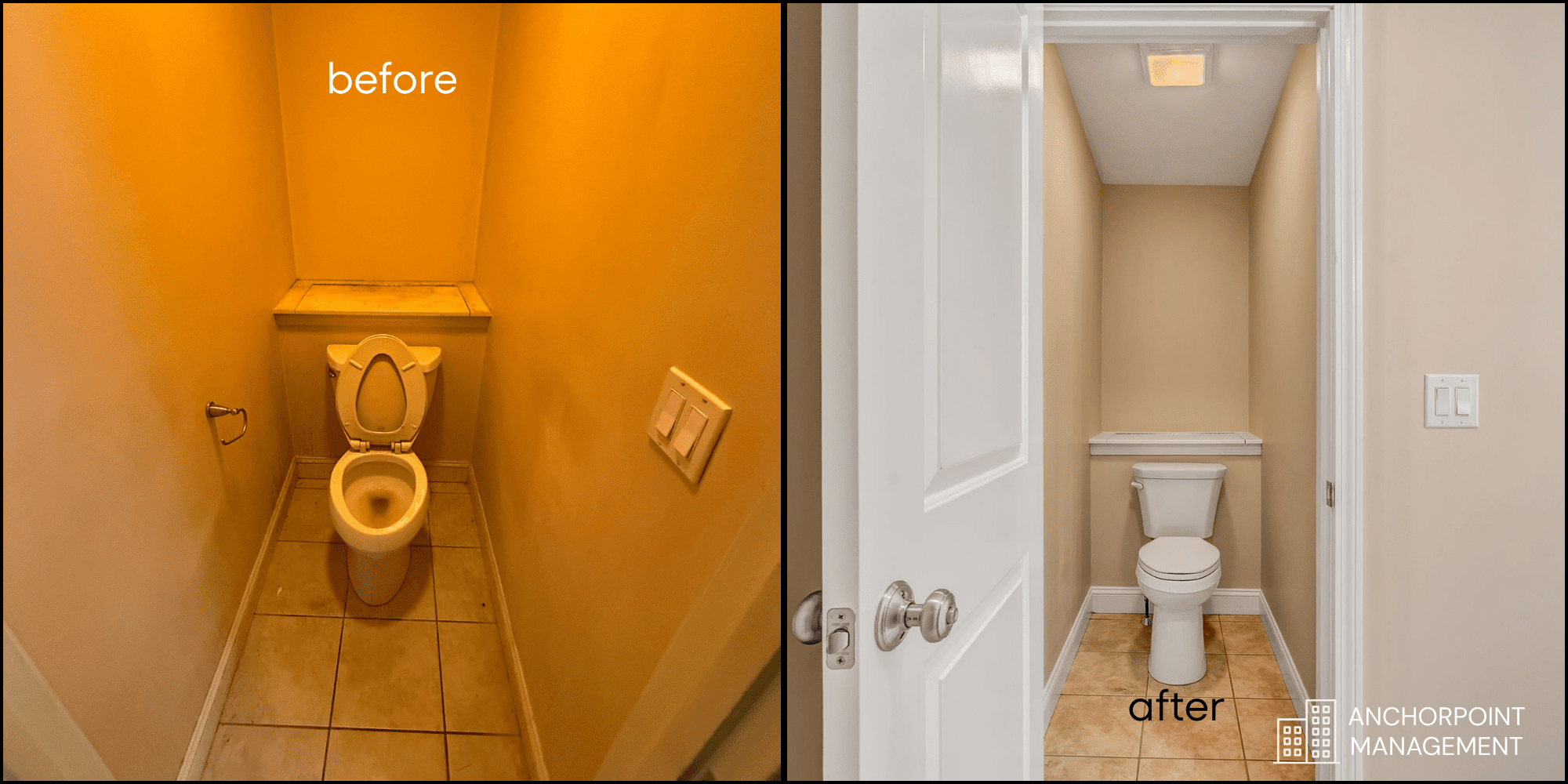
- Trim, doors, and window sills: High-touch surfaces hold oils and film. Paint won’t bond well unless it’s properly degreased and prepped.
2) Ozone treatments (used responsibly).
Ozone can be a powerful tool, but it’s not a magic wand and it’s not step one. We only consider ozone after the hard cleaning and removal work is done—otherwise you’re trying to neutralize a source that’s still actively present. Ozone should also be used carefully and correctly because it can irritate lungs and can impact certain materials. When used at the right point in the sequence, it helps reduce “ghost odor” that lingers in soft goods and the airspace.
3) HVAC and ductwork: don’t let the smell recirculate.
- HVAC Systems: We professionally cleaned all ductwork to ensure the smell wouldn’t recirculate the moment the heat kicked on. In Maine, where systems run hard for months, this step matters more than most sellers think.
- We also pay attention to vents, returns, and any wall cavities that can hold odor.
4) Why shellac-based BIN is non-negotiable.
After cleaning, we applied BIN primer/sealer. This is a shellac-based primer that is the gold standard for blocking odors and stains. It’s an extra step that many amateur home renovation contractor maine options might skip, but it’s the only way to guarantee a fresh-smelling home.
Why we won’t compromise here:
- Water-based primers can fail on severe nicotine.
- “Odor-blocking” paint without the right sealer underneath is a gamble.
- Maine’s seasonal humidity swings can make weak sealing systems telegraph stains back through.
5) The order of operations is the whole game.
Clean → seal → paint. Not the other way around. If you get the sequence wrong, you’ll pay twice.
Kitchen & Bath Nuance (Small Choices That Sell Big)
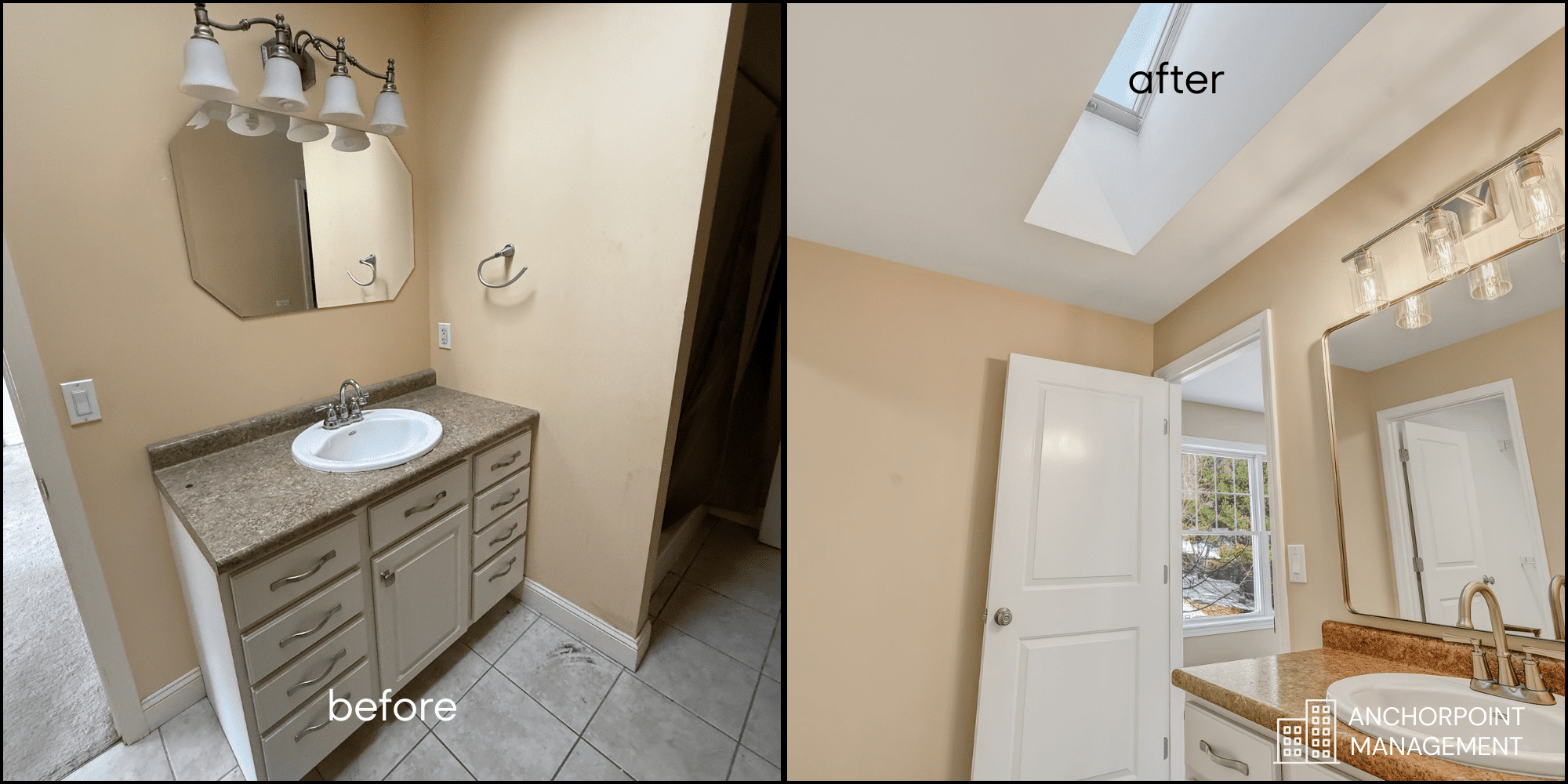
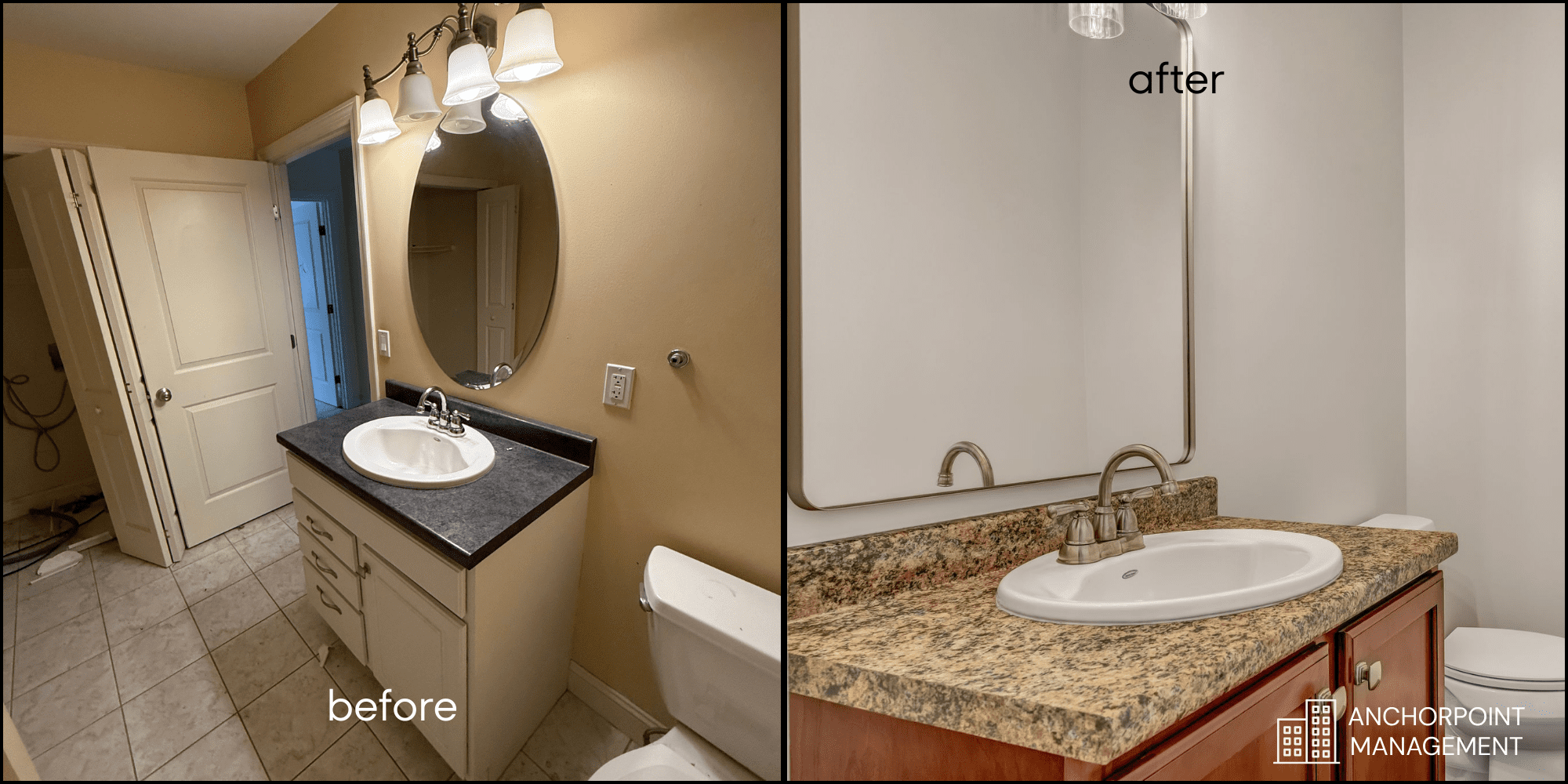
Once the “stink” was handled, we moved to the spaces that drive buyer emotion and offers: kitchens and baths. This is where the “little things” absolutely control the final impression.
Refacing vs. replacing cabinets (how to decide).
Cabinets are a budget fork in the road. Here’s how we look at it for pre-sale work in Central and Southern Maine:
- Refacing can be the right move when:
- cabinet boxes are solid (no swelling, no delamination),
- layout is functional,
- doors are dated but the structure is worth saving,
- you want the highest ROI without turning it into a full custom kitchen.
Refacing usually means new doors/drawer fronts, new hinges, new hardware, and sometimes a matching veneer or paint system for the boxes. It can deliver a “new kitchen” look without the timeline and cost of a full replacement.
- Replacing is usually the better call when:
- boxes are damaged (water, broken corners),
- the kitchen needs a layout fix (bad appliance placement, no storage, awkward peninsula),
- drawers don’t function, or
- you need to bring the kitchen up to a luxury expectation (soft-close everything, better storage accessories, cleaner proportions).
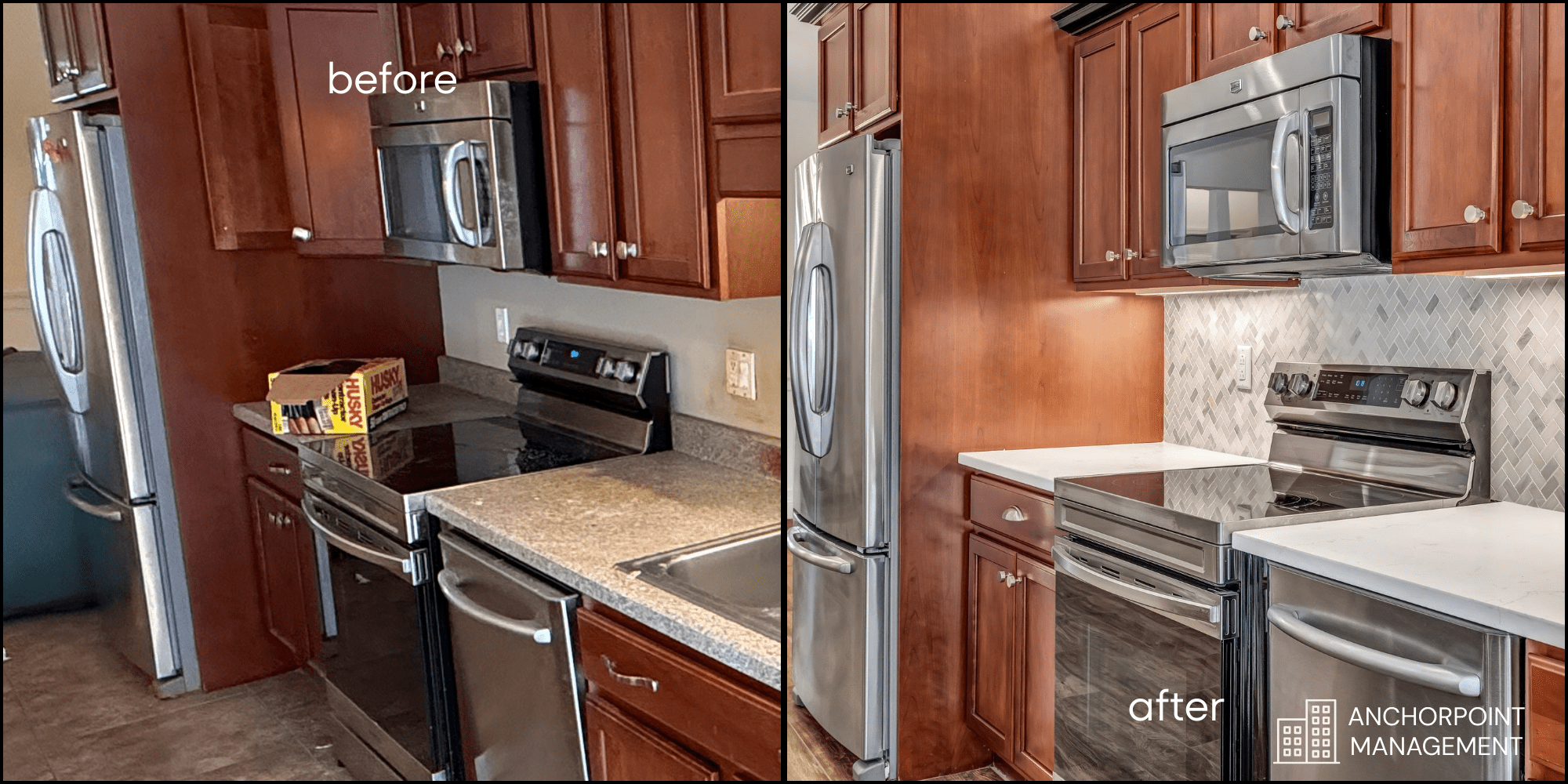
For the Auburn condo rehab, we focused on smart, buyer-facing updates that modernized the look while keeping the timeline tight.
Hardware matters more than people expect.
Think of hardware like jewelry: it’s small, but it sets the tone. We see buyers notice it immediately in listings and in person.
- Matte black: clean, modern, works in both “coastal Maine” and “urban condo” looks.
- Brushed gold: warmer, higher-end, can feel more luxury when paired with the right lighting and neutral finishes.
- Mixing metals: doable, but it has to be intentional (and consistent within each space).
Cheap hardware feels cheap. Solid hardware makes mid-range cabinets look more expensive.
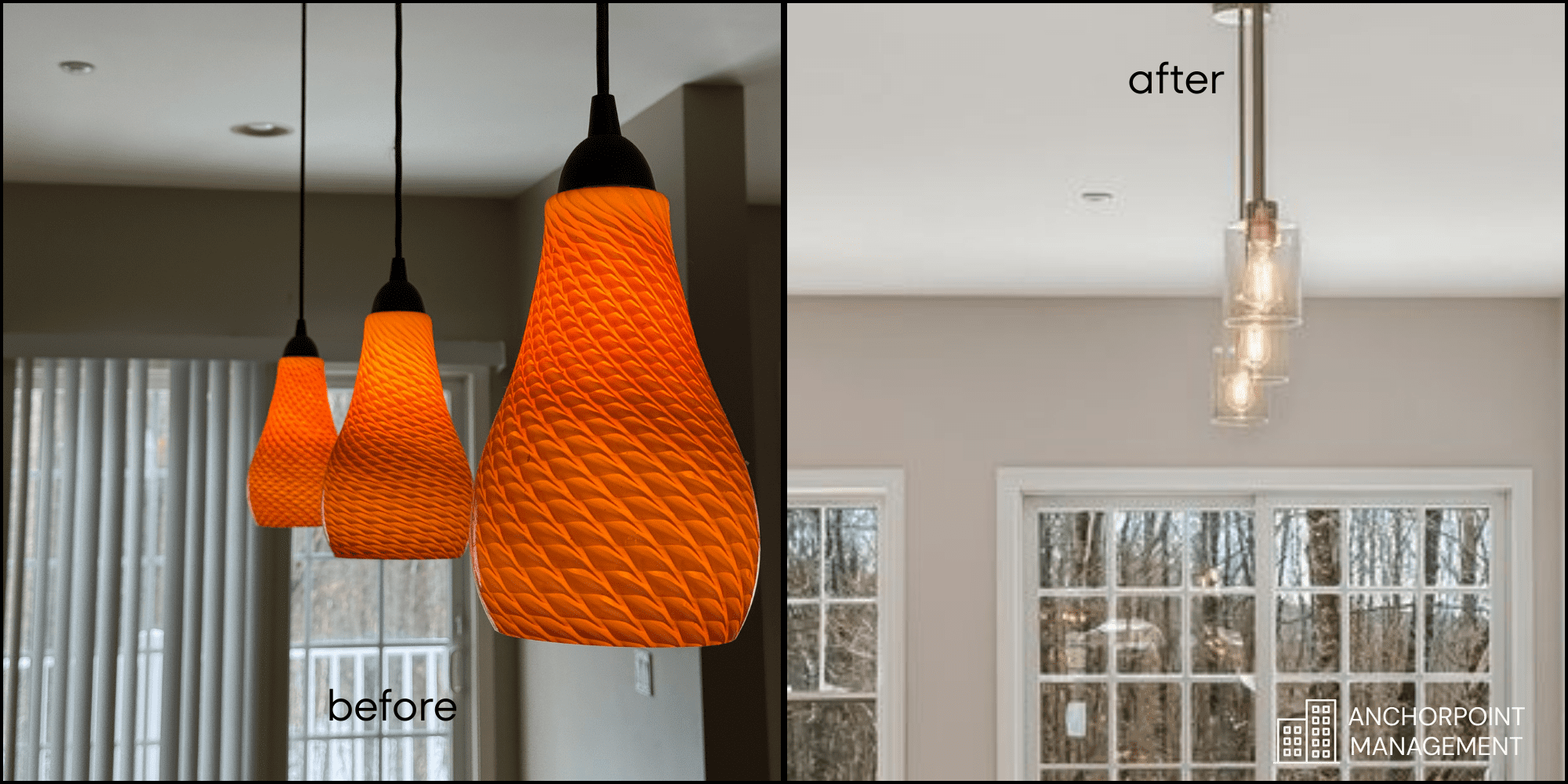
Lighting layers: ambient, task, and under-cabinet.
Lighting is one of the easiest ways to make a remodel look expensive—without actually overspending.
- Ambient lighting: your overall room light (flush mounts, recessed, chandeliers). This is what makes a winter showing feel bright instead of gloomy.
- Task lighting: focused work light (over sink, pendants over an island, vanity lights at the mirror). This is what makes a kitchen or bath feel usable.
- Under-cabinet lighting: the secret weapon. It eliminates shadowy countertops, adds a “custom” vibe, and photographs beautifully.
In Maine winters, lighting isn’t a “nice-to-have.” It’s the difference between “this feels dark” and “this feels like home.”
Home Renovation Contractor Flooring Science (Why Buyers Feel the Difference Underfoot)
Flooring is where pre-sale remodels either look cohesive or look patched together. It’s also where you can quietly control ROI.
For the Auburn condo rehab:
- We installed new tile throughout the entire first floor for a clean, cohesive look.
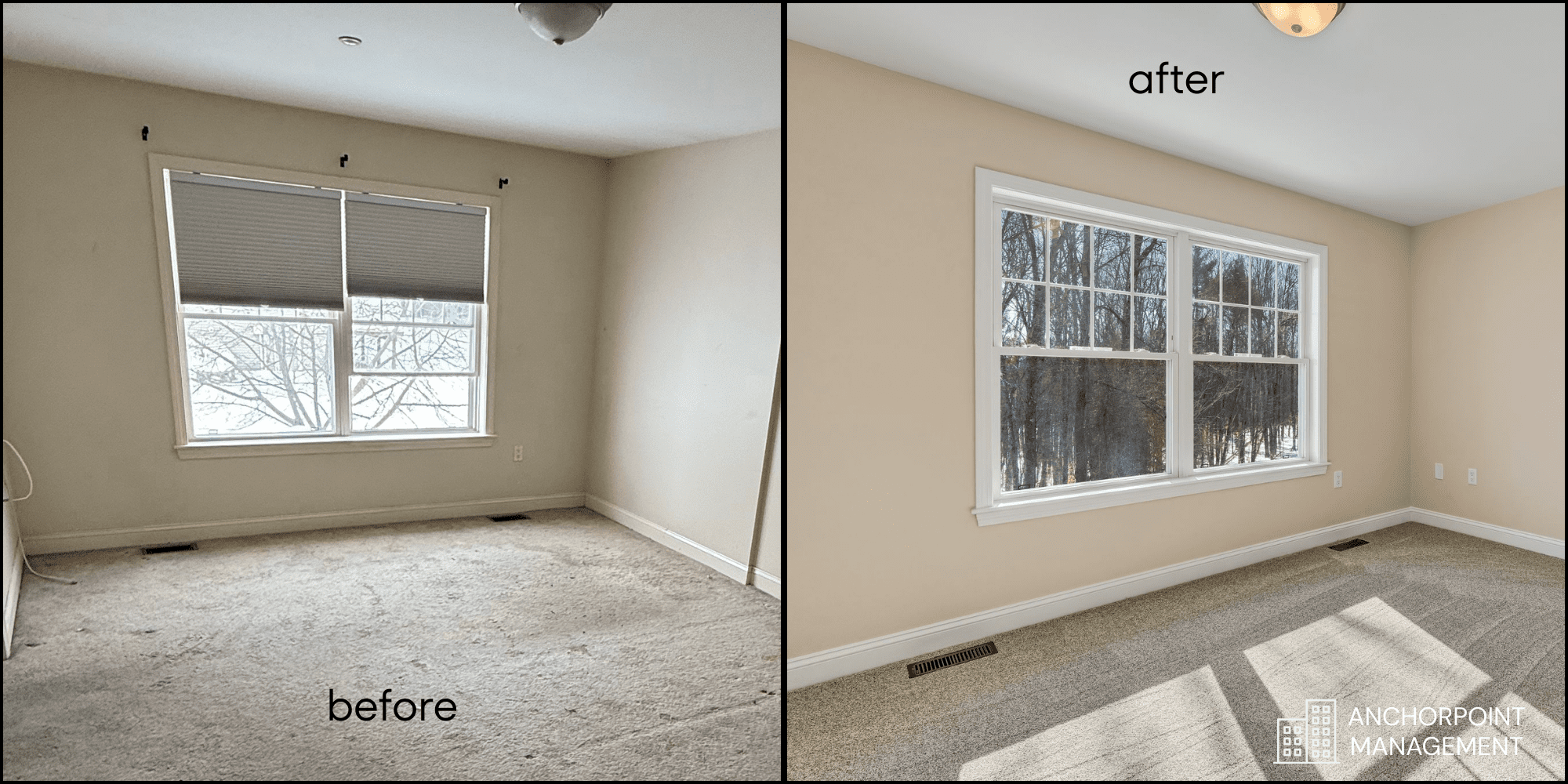
- On the second level, we replaced old, damaged carpets with fresh, neutral carpeting.
Here’s how to think about the common options:
LVP (Luxury Vinyl Plank): the investor’s choice.
LVP is popular for a reason:
- durable, scratch-resistant, and forgiving for pets and rentals,
- fast installation compared to some alternatives,
- consistent product availability (often),
- strong ROI for pre-sale because it reads “new” and “clean.”
Why we call it the investor’s choice: it performs, it’s predictable, and it’s usually the best cost-per-upgrade when you want a modern look quickly.
Tile: the luxury choice (and it shows).
Tile feels permanent. When done right, by a professional home renovation contractor, it signals quality immediately:
- weight, sound, and temperature all read “premium,”
- great in entryways, kitchens, and baths,
- pairs well with Maine winters (especially with the right underlayment and, in higher-end remodels, radiant heat considerations).
Tile does require correct prep—flatness, underlayment, and waterproofing details matter. But when you want that “high-end” impression, tile wins.
Carpet: still useful—if you do it correctly.
Carpet can make bedrooms feel quiet, warm, and cozy (especially for winter showings). But the pad is where a lot of pre-sale carpet jobs fail.
- Carpet pad density matters. A higher-density pad typically feels better underfoot and holds up longer than a thick, low-density pad that “mushes out.”
- Buyers might not know the spec, but they feel it. Spongy, cheap pad can make a room feel lower-end even if the carpet looks fine.
When we replace carpet, we don’t just choose a neutral color—we make sure the underfoot experience feels solid, clean, and new.
The Modernization: High-Impact Aesthetics (With the Details Done Right)
Once odor mitigation was under control, we focused on what buyers see and feel.
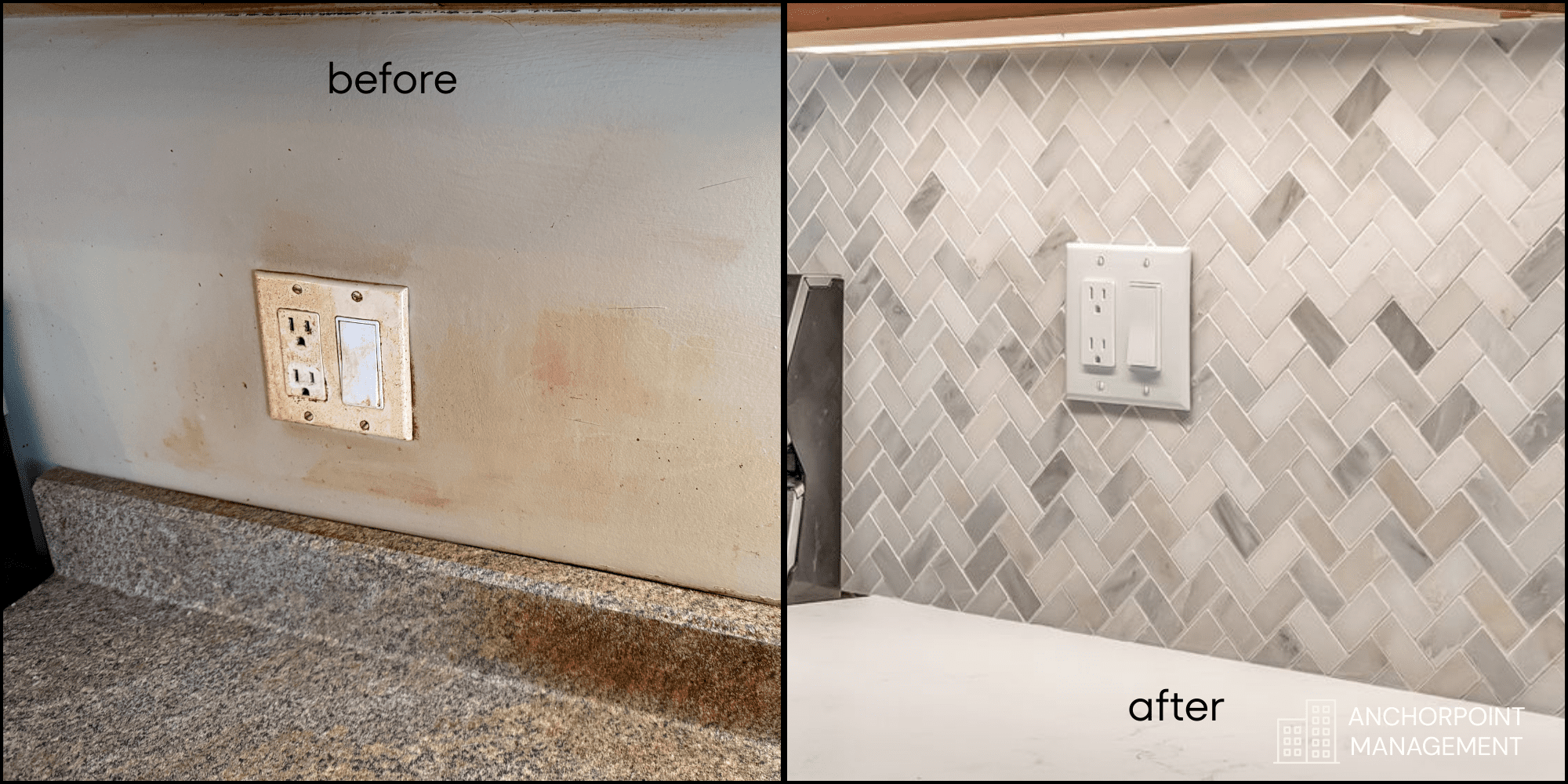
- Countertops: We moved fast here. We went from template to install in just 2 days, replacing dated surfaces with modern, durable options. Speed matters in pre-sale timelines—but so does seam placement, faucet alignment, and clean caulking lines. Those tiny finish details are what make photos look professional.
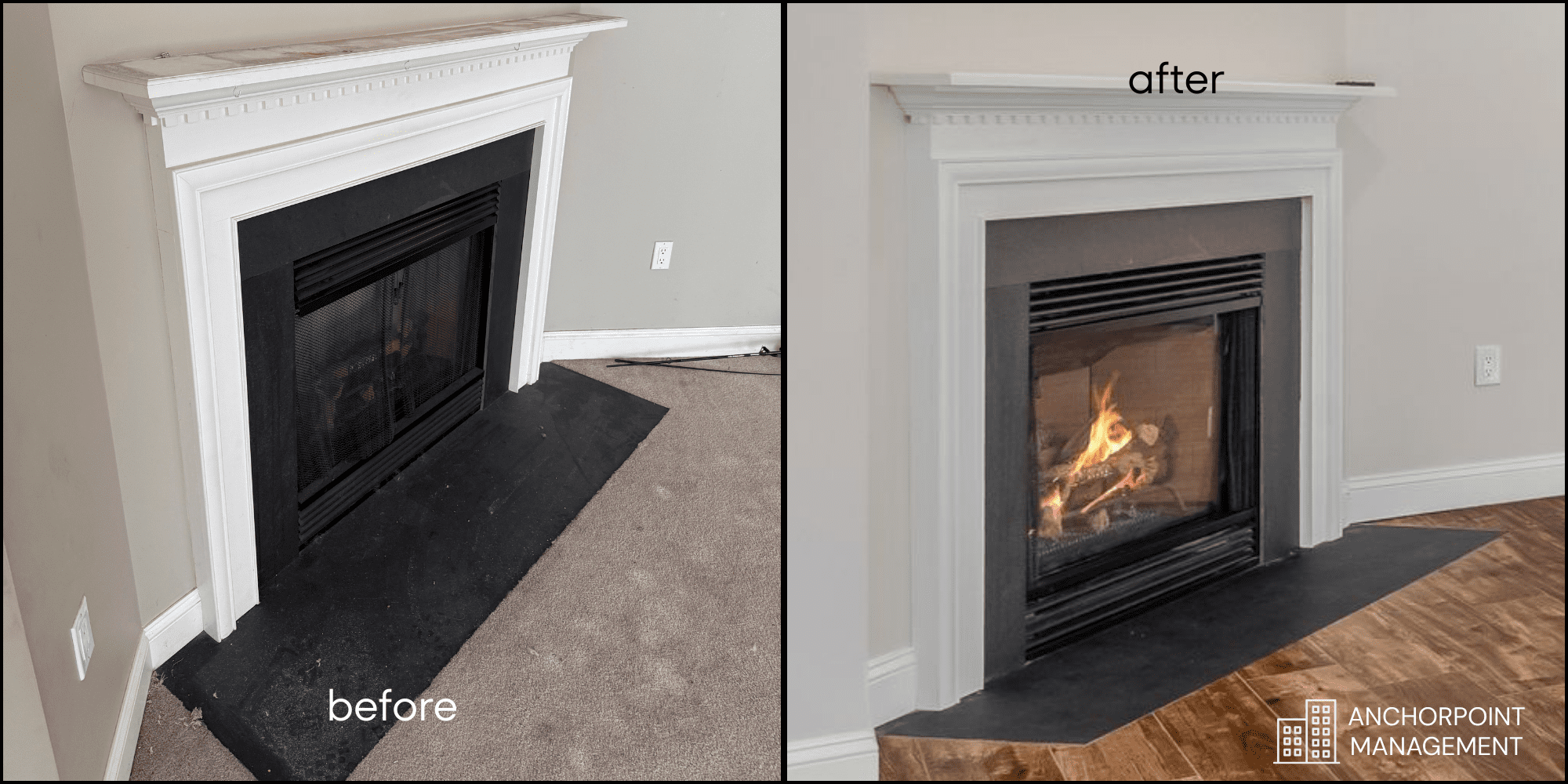
- Kitchen & Fireplace: A new tile backsplash updated the kitchen instantly, and we repaired the fireplace to ensure it was a focal point rather than a liability. We also pay attention to grout color (it can make tile look more expensive or more dated) and the crispness of the tile edge at corners and outlets.
Unsexy ROI: Technical & Structural Fixes (The Stuff That Protects the Sale)
A pre-sale remodel should also address the “boring” stuff that fails inspections—or becomes negotiation leverage. In Maine, these are the items that can quietly cost you five figures if you ignore them.
For the Auburn condo rehab, we didn’t just “make it pretty.” We tackled the risk points:
- We replaced the hot water heater.
- We handled various plumbing repairs.
- We addressed concrete crack repairs in the basement.
Here’s what falls into the “unsexy ROI” category—and why it matters:
HVAC servicing and performance checks.
Even if a system “works,” buyers and inspectors care about servicing history, safe operation, and visible condition. A tune-up, filter strategy, and documentation done by a qualified home renovation contractor can reduce buyer anxiety fast.
Electrical upgrades (GFCI/AFCI).
- GFCI protection is a common inspection focus in kitchens, baths, laundry areas, garages, and basements.
- AFCI protection can come up depending on the panel and circuits.
The point isn’t to over-upgrade blindly—it’s to avoid a preventable inspection report that spooks buyers or creates last-minute concessions.
Plumbing surprises.
Pre-sale projects often uncover:
- tired shutoffs that won’t fully close,
- slow drains that look “fine” until the inspection,
- old supply lines,
- leaks that only show up after fixtures are disturbed.
We’d rather find and fix those on our timeline than during buyer negotiations.
Basement moisture and crack repair in Maine.
Basements in Maine are a whole category of buyer concern:
- seasonal hydrostatic pressure,
- snowmelt patterns,
- older foundations,
- hairline cracks that may be cosmetic—or may need repair.
Concrete crack repairs and moisture control don’t always photograph well, but they reduce the “what else is hiding?” fear that kills offers. Even in condos, basement/storage areas matter because they’re part of the buyer’s mental risk assessment.
The Timeline: We started demolition in early January and had final photos ready by early March. In just two months, we turned a “problem property” into a premium listing—by stacking the right big moves and the right small moves.
Choosing a Home Renovation Contractor: Concierge Design-Build vs. a Standard GC (Why It Changes Everything)
When you’re looking for construction management maine, you’re not just hiring someone who can swing a hammer. You’re hiring someone to protect your timeline, your budget, and your sanity—especially when you’re trying to get a property listed on schedule.
Most sellers don’t struggle with the “big idea” of a remodel. They struggle with the messy middle:
- Who orders what (and when)?
- Who confirms the tile lead time?
- Who coordinates the electrician after the cabinet install date moves?
- Who handles building access, HOA rules, and neighbor complaints?
- Who catches the little finish issues before the photographer shows up?
That’s where a concierge-style design-build Maine approach matters with a home renovation contractor.
Standard GC approach (common pain points):
- You may still be coordinating selections, deliveries, and change decisions.
- Multiple vendors can mean multiple opinions—and no single owner of the outcome.
- When something slips, you’re often the one chasing answers.
Anchorpoint Management’s home renovation contractor concierge approach:
- Single-point accountability. One home renovation contractor team owns the plan from concept through punch list.
- We coordinate trades, sequencing, and site conditions so work doesn’t trip over itself.
- We advocate for your best interests—especially on decisions that impact ROI, inspection outcomes, and buyer perception.
We know that as a seller (or a busy professional managing an estate), you don’t want to be managing five different crews. You want one home renovation contractor to call who has the answers. We take the headaches—the scheduling, the permits, the sub-contractor management—and keep them off your plate. Whether it’s a basement renovation maine project, a high-end condo rehab, or a full-scale barndominium maine build, our goal is to protect your investment and get it done right the first time.
“A successful pre-sale remodel is mostly logistics—tight sequencing, clean decisions, and one person accountable for the final result.”
ROI Analysis: Where the Money Is (And Why “Unsexy” Work Pays)
If you’re looking to maximize your return after working with a home renovation contractor, you have to be smart about where you spend—and honest about what buyers and inspectors actually penalize.
- High ROI (buyer-facing): Flooring, fresh paint, updated lighting, and minor kitchen updates (like our 2-day countertop turnaround) often deliver the biggest perceived value. This is the “it feels new” category.
- High ROI (confidence builders): HVAC servicing, electrical safety upgrades (GFCI/AFCI where needed), plumbing repairs, and basement moisture/crack repair. Buyers may not pay you extra line-item dollars for these, but they stop the deal from getting discounted—or falling apart—during inspection.
- Fast wins that look expensive: Hardware updates, cohesive switch/cover plates, quality caulk lines, new bath fans that are quiet, and layered lighting (ambient + task + under-cabinet). These are the “little things” that make the home feel professionally updated rather than “landlord special.”
- Long-term planning: For larger properties or commercial interests, we offer facilities management in maine to ensure that long-term value is maintained through commercial property management in maine.
Exterior Curb Appeal (Simple, High-ROI Moves for Maine Listings)
Even when the home is a condo, curb appeal still matters—because buyers form opinions in the parking lot, at the entry, and in shared hallways before they ever see your finishes.
A few high-impact exterior moves we recommend for Maine properties:
Pressure washing (the instant reset).
Siding, walkways, steps, and railings collect grime fast—especially after a Maine winter. A thorough wash can make the home look maintained in a single day.
A front door that “pops.”
A clean, well-painted door is one of the best ROI paints you’ll ever buy. For upscale listings, deeper tones often read more intentional (think classic navy, charcoal, or a rich heritage green) rather than loud novelty colors. The key is a crisp finish and updated hardware.
Foundation plantings (kept simple).
You don’t need an elaborate landscape plan. You need clean, tidy, and intentional:
- a few hardy shrubs placed to frame the entry,
- fresh mulch lines,
- trimmed edges,
- and plants that won’t look sad two weeks after listing.
If your property includes shared exterior spaces (common entries, walkways, stair towers), we also factor in what you can modify under condo rules—so you don’t waste money on improvements the HOA won’t approve.
The Logistics of Condo Rehabs (Noise, Dumpsters, Neighbors, and Rules)
Condo rehabs are a different animal. You’re not just remodeling a unit—you’re working inside a community with shared walls, shared parking, and shared patience.
In the Auburn condo rehab, logistics were a real part of success. Here’s what matters to us as a home renovation contractor:
Noise and work hours.
Many condo associations have rules on:
- allowable work times (especially early mornings and weekends),
- noisy operations (demo, tile saws, hammer drilling),
- and elevator/stairwell use.
We plan the noisiest phases tightly so the disruption window is as short as possible.
Dumpsters and material staging.
Where does demo debris go? Where do cabinets sit when delivered? Where do appliances wait? In condos, you can’t “just put it outside.” We coordinate:
- HOA approvals,
- safe placement,
- and keeping shared areas clean and passable.
Protection of common areas.
Floor protection, corner guards, and clean daily walk-offs aren’t optional. They’re how you avoid damage claims and neighbor frustration.
Neighbor relations (yes, it impacts your project).
If neighbors complain, the association gets involved, and suddenly your timeline becomes political. We prefer to prevent that with clear scheduling, respectful crews, and a jobsite that stays clean.
Home Renovation Contractor Serving Central and Southern Maine
We are proud to be the go-to building contractors that southern maine trusts. Our project footprint covers:
- Auburn & Lewiston: High-demand rental and condo markets.
- Portland & Biddeford: Luxury renovations and historic rehabilitations.
- Augusta: State-capital projects and residential upgrades.
If you are looking for a home renovation contractor in maine that understands the local market and the specific needs of Maine homes (from frozen pipes to basement moisture), we are here to help.
A Pre-Sale/Home Renovation Contractor Remodel Checklist (Detailed, Maine-Friendly, and Realtor-Proof)
Use this as your working list before you spend a dollar. If you want, we can take over as your home renovation contractor for an optimized scope and timeline.
1) First impression + “feel” checks (the 2-minute test)
- Does it smell neutral the moment you walk in (no pet smell, no musty basement)?
- Is the entry bright (working bulbs, clean fixture, no dingy paint)?
- Do doors close cleanly (no rubbing, no sticking, no broken latches)?
- Are floors consistent and clean (no torn transitions, no curled edges)?
- Are there visible stains on ceilings, corners, or around bath fans?
- Are windows clean and blinds/curtains simple and neutral?
2) Odor remediation checklist (if applicable)
- Remove odor-holding materials where needed (carpet, pad, sometimes soft goods)
- Deep clean ceilings, walls, trim, doors, and window sills (degrease before paint)
- Clean inside cabinet boxes and drawers (kitchen + bath + pantry)
- Clean ceiling fan blades, housings, and light fixtures (sticky residue is common)
- Clean HVAC returns/supplies; confirm ductwork strategy (especially for cigarette damage)
- Consider ozone treatment after cleaning/removal (used correctly and safely)
- Seal with shellac-based BIN where needed (don’t “hope” paint solves it)
- Replace HVAC filters after odor work and again before listing photos/showings
3) Kitchen checklist (where offers are made)
- Decide: reface vs. replace cabinets (verify box condition and layout function)
- Confirm cabinet door alignment; adjust hinges for straight reveals
- Choose hardware that reads consistent and intentional (matte black or brushed gold done well)
- Add lighting layers:
- Ambient (general ceiling lighting)
- Task (sink / island / key work zones)
- Under-cabinet lighting (clean, high-end look; great for photos)
- Countertops: check seam placement, backsplash height, and faucet alignment
- Backsplash: pick grout color intentionally; ensure clean cuts at outlets and corners
- Replace stained/aged outlets and switch plates (cheap fix, big visual payoff)
- Confirm quiet, properly vented range hood (where applicable/possible)
- Make sure every cabinet and drawer opens/closes smoothly (buyers test this)
4) Bathroom checklist (buyers judge “clean” here)
- Verify bath fan works and is quiet (replace noisy fans; clean ducts where needed)
- Check for moisture staining on ceilings and above showers
- Re-caulk tubs/showers neatly (no smeared caulk lines)
- Update lighting at the mirror (true task lighting, not dim overhead only)
- Replace dated mirrors/fixtures if they pull the room backward
- Confirm GFCI protection where required
- Check toilet stability (no rocking) and seal condition
- Ensure drains run fast and traps don’t smell
5) Flooring checklist (the “underfoot” impression)
- Choose a single, cohesive plan (avoid patchwork unless it’s intentional)
- LVP (investor’s choice): confirm wear layer quality and proper underlayment
- Tile (luxury choice): confirm subfloor prep/flatness and waterproofing where needed
- Carpet (comfort choice): choose higher-density pad for a better feel and longer life
- Replace broken transitions; eliminate tripping edges
- Fix squeaks before new flooring goes in (cheap now, expensive later)
6) Paint + finish carpentry checklist (where “professional” shows)
- Use the right primer for the problem (especially if there is smoke/water staining)
- Patch and sand walls so light doesn’t highlight every flaw
- Repaint trim if it’s yellowed, chipped, or inconsistent
- Update/standardize door hardware finishes (don’t mix randomly)
- Make baseboards and casing crisp (gaps filled, corners clean)
- Replace cracked or yellowed caulk at trim lines and sinks
7) Electrical and safety checklist (inspection + confidence)
- Confirm proper GFCI protection in kitchens, baths, laundry, garage, basement
- Address obvious DIY wiring issues or overloaded circuits
- Replace broken covers, missing plates, and loose outlets
- Upgrade lighting where rooms feel dim (Maine winter showings are unforgiving)
- Check smoke/CO detectors (age, placement, function)
- Consider AFCI requirements based on your situation and inspection expectations
8) Plumbing checklist (avoid last-minute surprises)
- Replace failing shutoffs before they fail during the project
- Address slow drains and “almost leaks” proactively
- Check under-sink cabinets for staining/soft spots
- Confirm water heater age/condition; replace if near end-of-life
- Verify tub/shower mixing valves work properly (no pressure/temp weirdness)
9) HVAC checklist (Maine comfort + buyer peace of mind)
- Schedule a service/tune-up and keep documentation
- Replace filters and confirm proper airflow
- Address strange noises, short cycling, or poor heat distribution
- Confirm bath fan and dryer venting is correct and clean
10) Basement / moisture checklist (especially important in Maine)
- Inspect for active moisture, efflorescence, or musty smell
- Address foundation cracks appropriately (not cosmetic cover-ups)
- Verify downspouts/grade move water away from foundation
- Consider dehumidification strategy if the space trends damp
- Keep storage areas bright and clean (buyers look, even if they pretend not to)
11) Exterior curb appeal checklist
- Pressure wash siding, steps, walkways, and rails
- Paint/refresh front door for a clean “pop” (keep it upscale and intentional)
- Replace worn house numbers, mailbox, and exterior light fixture if dated
- Tidy foundation plantings (simple, clean, fresh mulch)
- Fix wobbly rails and trip hazards at entries
12) Condo-specific checklist (avoid HOA problems)
- Confirm work hours and noise rules
- Get approvals in writing where required
- Plan dumpster/material staging locations
- Protect elevators, stairs, and hallways
- Communicate schedule to neighbors when appropriate
- Plan parking/loading so you don’t create daily conflict
Let’s Get Your Property Market-Ready: Choose Anchorpoint Management as Your Home Renovation Contractor Today!
Don’t let a “problem” property sit on the market and lose value. Whether you’re dealing with a moldy condo, an outdated estate, or just need a professional eye for construction management maine, Anchorpoint Management has the expertise to get it done—down to the small details that buyers and inspectors always notice.
We handle the dirty work (and the coordination) so you can focus on the closing. Ready to see what your property is actually worth?
Contact Anchorpoint Management today for a consultation and let’s start your pre-sale transformation.
Pre-Sale Home Remodeling FAQ:
1) What’s the average ROI for pre-sale remodeling in Maine?
Most pre-sale home remodeling projects don’t return as a perfect 1:1 “math equation.” In practice, Maine sellers usually see the best returns from paint, flooring, lighting, and kitchen/bath refreshes, because those changes raise perceived value and reduce buyer objections. The biggest ROI win is often preventing price reductions and inspection concessions—especially in older Maine homes and condos.
2) How do I set a budget for renovating to sell without over-improving?
Start by deciding what your buyer is actually paying for: a clean, updated feel and a low-risk inspection. When you’re renovating to sell, spend first on anything that smells, leaks, wobbles, or looks unfinished, then allocate the rest to high-visibility updates (floors, paint, lighting, simple kitchen improvements). If an upgrade won’t change your listing price range—or will price you above your neighborhood—it’s usually an over-improvement.
3) For ROI, should I reface cabinets or replace them?
For maximizing home ROI, refacing can be a strong move when cabinet boxes are solid and the layout works. You get the “new kitchen” look faster and cheaper. Replace cabinets when boxes are damaged, drawers don’t function, or the layout is a problem buyers will notice immediately.
4) What technical fixes should I prioritize before a home inspection?
Prioritize anything that shows up as a safety issue, moisture issue, or “deferred maintenance” signal:
- GFCI where required (kitchen/baths/basement/garage)
- Active plumbing leaks, weak shutoffs, slow drains
- Unsafe electrical (open splices, missing covers, loose outlets)
- Bath fan venting and visible moisture staining
- Water heater age/condition if it’s near end-of-life
These fixes protect your sale because they reduce buyer leverage during negotiations.
5) What’s the difference between a standard GC and a concierge-style home renovation contractor?
A standard GC often builds well, but you may still be managing selections, deliveries, and scheduling chaos. A concierge-style home renovation contractor (like Anchorpoint Management) is built around single-point accountability—we manage scope, sequencing, vendors, HOA logistics, and punch-list quality so you don’t have to. You get one team owning the outcome, not a bunch of separate “not my problem” handoffs.
6) What timeline should I expect for a pre-sale remodel?
It depends on scope, but most pre-sale projects fall into three buckets:
- 1–2 weeks: paint, minor repairs, lighting/hardware, small flooring areas
- 3–6 weeks: flooring throughout, kitchen refresh, multiple trades, punch list
- 6–10+ weeks: bigger reconfigurations, heavy odor remediation, custom lead times
Your timeline is usually driven by trade coordination and product availability—not the “work hours” alone.
7) Which flooring is best for ROI: LVP, tile, or carpet?
For maximizing home ROI, LVP is often the safest “broad buyer appeal” choice—durable, clean, modern, and quick. Tile reads higher-end when installed correctly and is great for entries/kitchens/baths. Carpet still works well in bedrooms for comfort and quiet, but only when it’s neutral and installed with a quality pad (cheap carpet jobs are easy for buyers to feel).
8) Are basement moisture and crack repairs worth it if I’m selling as-is?
Often, yes—because basement issues scare buyers and create big negotiation swings. If you’re selling “as-is,” you’re still competing with other listings, and basic crack repair, moisture control, and clear documentation can protect your price. The goal isn’t to over-finish the basement—it’s to reduce the “what else is hiding?” factor that tanks offers.
9) What are the biggest condo renovation hurdles (HOA rules, neighbors, access)?
HOAs typically impact work hours, noise limits, approvals, material staging, dumpsters, and common-area protection. The smartest move is to confirm rules early, get approvals in writing, and build a schedule that respects the building. A good plan keeps your project moving and prevents complaints that can slow or stop work.
“In condos, the scope is only half the job—the other half is approvals, access, and keeping the building happy.”